Energy from Waste (EfW) plants play an essential role in modern waste management, converting municipal and hazardous waste into usable electricity and heat.
At the same time, operators must contend with variable waste composition, challenging combustion conditions and strict environmental regulations that require continuous oversight of the process.
To support teams working in these conditions, we have published a new
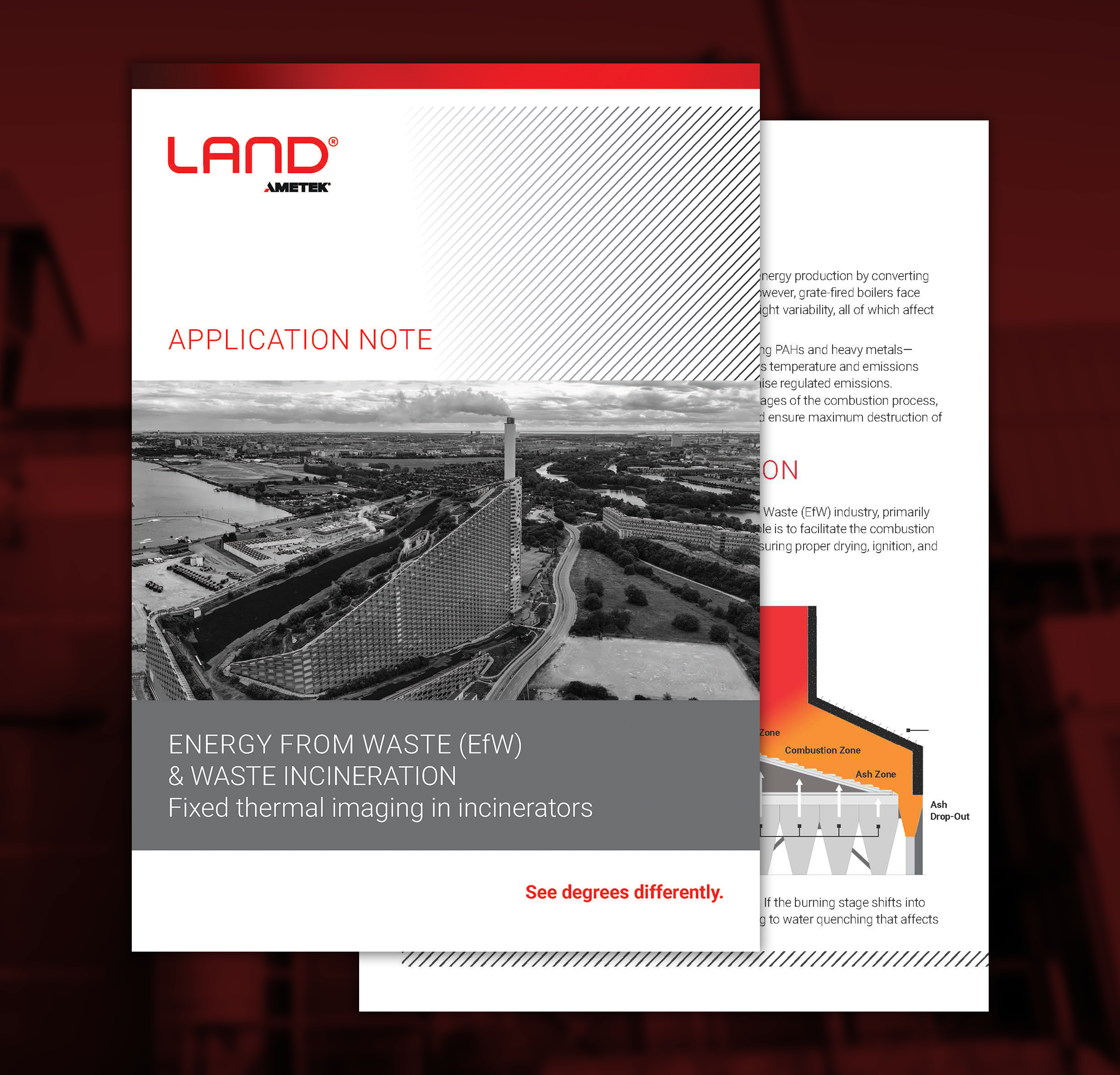
application note focused on the use of fixed thermal imaging and non‑contact temperature measurement technology across EfW and waste incineration plants. The
application note brings together practical insights from real EfW applications and explains how continuous temperature data can support safer operations, improved combustion control and more informed maintenance planning.
It explores how
non‑contact temperature measurement provides continuous, real‑time visibility across key stages of the incineration process. This includes monitoring combustion zones within grate‑fired furnaces, identifying slag build‑up, and assessing boiler wall and tube conditions. With clear and continuous temperature information, operators can better understand how the process is performing and respond to developing changes before they escalate into operational issues.
The
application note also highlights how
thermal imaging supports early detection of developing problems such as abnormal temperature patterns or localised cooling linked to boiler tube leaks. Identifying these conditions early helps reduce the risk of unplanned outages and supports a more planned, proactive approach to maintenance.
Designed as a practical reference, the
application note outlines where fixed thermal imaging systems are typically deployed, how they are integrated into plant operations, and how the resulting data can be used day to day to support efficient, compliant Energy from Waste operations.